
Top 9 Meaningful Places to Visit in Africa for Cultural and Heritage Travel
Africa is the oldest inhabited continent on earth. It is the cradle of human civilization. Every person alive today carries African ancestry somewhere in their lineage. But for those who carry the heritage of the diaspora, whose ancestors were taken from this Africa by force, the pull is something deeper still. It is the call of a wound that has waited a very long time to begin healing.
If you have been wondering about the best places to visit in Africa for cultural and heritage experiences, this guide was written for you. Not just to list destinations, but to help you understand what each place holds. What it asks of you. What it gives back.
Why is Heritage Travel in Africa Different?
Most travel is about going somewhere new. Heritage travel is about going somewhere you have always carried with you. It is about standing on ground that shaped you before you were born. About hearing stories that your family could not pass down because they were forbidden to. The best places to visit in Africa for cultural and heritage purposes hold this weight honestly. They do not soften the history. They open a door between who you have been told you are and who you have always actually been.
Read more about how Diasporans Can Explore African Ancestry in Ghana
Places to Visit in Africa
1. Ghana: Where the Journey of Return Begins
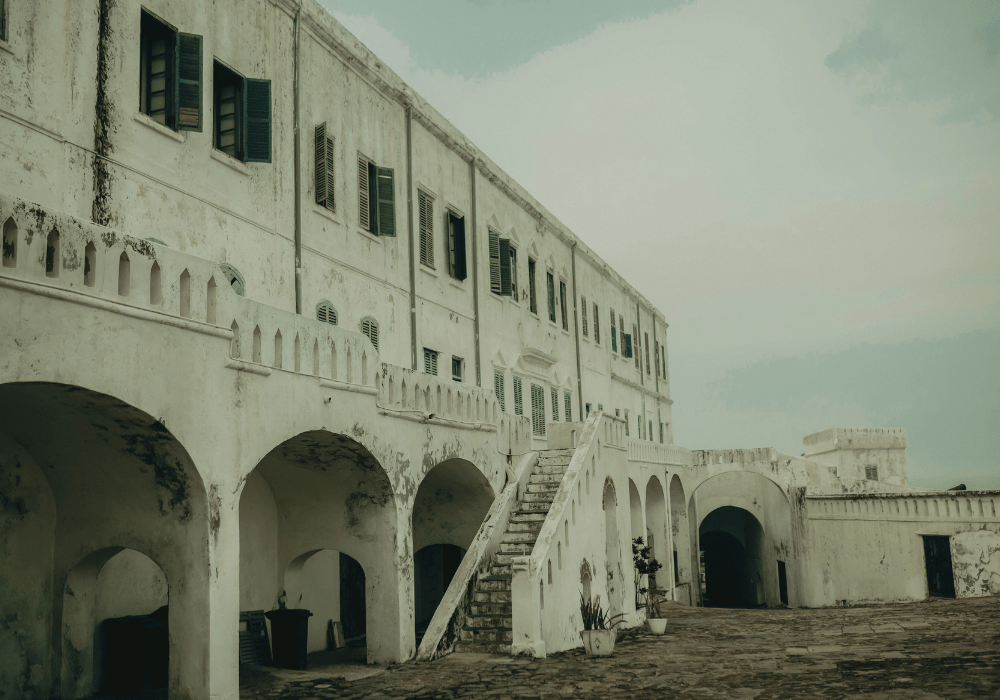
Cape Coast Castle
Ghana holds a singular importance in the story of the transatlantic slave trade and diaspora reconnection. Its coastline is lined with forts and castles that served as the final holding places for millions of Africans before they were taken across the Atlantic.
Places to visit in Ghana:
The Slave Castles
Cape Coast Castle was built in 1653 and is now a UNESCO World Heritage Site. It is where that history lives most powerfully. Walking its dungeons, dark, low-ceilinged, marked by centuries, brings you to the Door of No Return, through which enslaved Africans stepped onto ships that carried them away forever. In an act of healing, the other side has been renamed the Door of Return. An invitation to every descendant to complete the journey.
Nearby Elmina Castle, built by the Portuguese in 1482 as the oldest European structure south of the Sahara, asks the same of you: to look, to bear witness, and not to look away.
The City of Accra
In Accra, the 2019 Year of Return transformed the global conversation about heritage travel, drawing hundreds of thousands of diaspora visitors and cementing Ghana's place as the spiritual home of the African diaspora. The W.E.B. Du Bois Centre and Kwame Nkrumah Memorial Park ground the journey in the intellectual history of Pan-Africanism.
The Ashanti Kingdom
In Kumasi, the seat of the Ashanti Kingdom, the Manhyia Palace Museum tells the story of kings who resisted colonization. In the village of Bonwire, Kente cloth is still woven by hand, every color and pattern a language that carries the same weight whether you are standing in Kumasi or in a church in Atlanta.
Ghana is, without question, one of the best places to visit in Africa for those ready to begin their journey of return.
2. Senegal: West Africa's most vibrant cultural capital
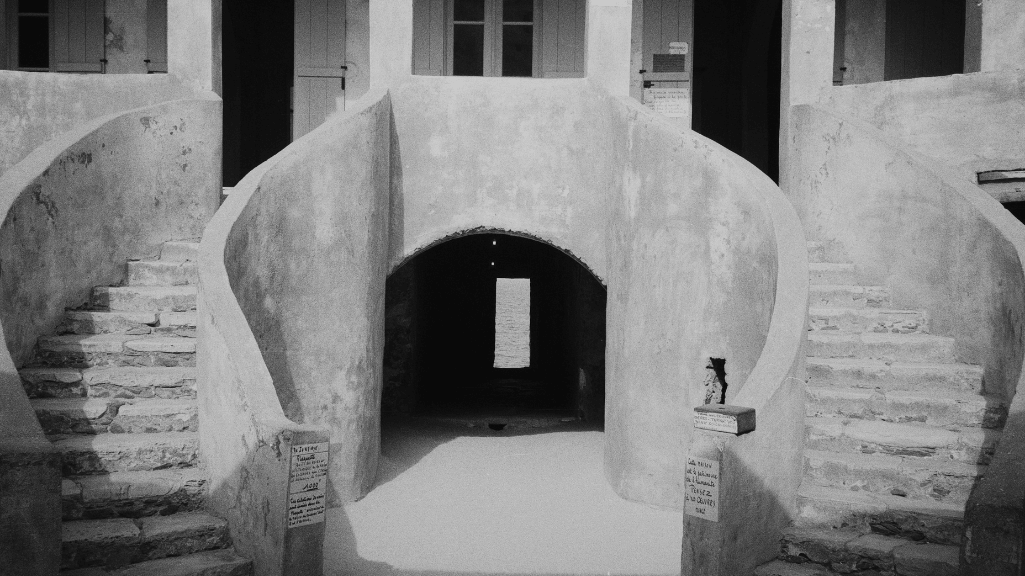
Architecture of Gorge Island| Senegal
Places to visit in Senegal:
Gorée Island
It is thirty minutes by ferry from Dakar. Goree Island is one of the most important journeys a person of African descent can make. From the fifteenth to the nineteenth century, it was a significant centre of the West African slave trade, ruled in succession by the Portuguese, Dutch, English, and French. At its heart stands the House of Slaves ( the Maison des Esclaves), which is a museum and memorial that attracts 200,000 visitors each year.
Nelson Mandela and Barack Obama have both stood before its narrow door that once opened onto the sea, and each described something that transcends ordinary words. UNESCO designated Gorée a World Heritage Site in 1978, calling it a memory island for the universal conscience.
Dakar
Beyond Gorée, Dakar is West Africa's most vibrant cultural capital, the city where the music of Youssou N'Dour was born and the philosophy of Négritude was shaped. Further north, the UNESCO-listed island city of Saint-Louis, the former colonial capital of French West Africa, layers the grandeur that colonialism tried to claim alongside the culture that always survived it. Senegal offers the heritage traveler both the wound of the past and the resilience that grew from it.
3. Ethiopia: The Cradle of Civilization
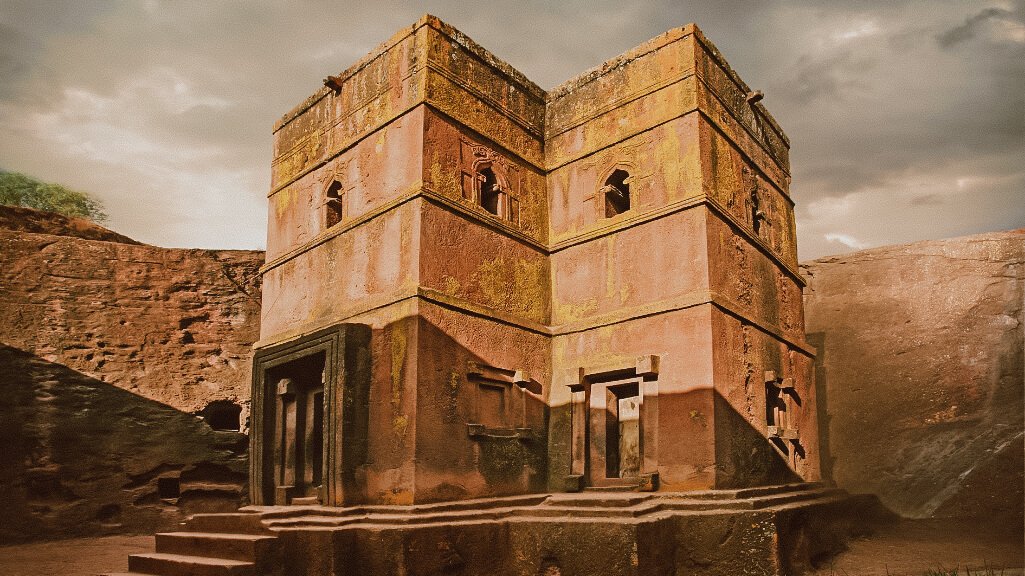
Church of Saint George| Lalibela
Ethiopia is the only country on the African continent never fully colonized by a European power. For the diaspora, it carries particular resonance as the spiritual home of the Rastafari movement and a century of Pan-Africanist pride.
Places to visit in Ethiopia:
Lalibela
In the highlands of northern Ethiopia, Lalibela holds eleven churches carved entirely out of solid red volcanic rock during the twelfth and thirteenth centuries. These are not ruins. They are living places of worship in continuous use for over eight hundred years. It is UNESCO-listed and considered among the greatest examples of monolithic rock-cut construction on earth. Early-morning services fill them with prayer and incense and the ancient sounds of Ethiopian Orthodox Christianity.
Axum
Further north, Axum was the capital of one of the four great powers of the ancient world. Its towering stone obelisks mark the graves of Aksumite kings, and the Church of Our Lady Mary of Zion is believed to hold the original Ark of the Covenant.
Addis Ababa
In Addis Ababa, the National Museum houses Lucy, one of the oldest known human ancestors, who lived 3.2 million years ago. Standing in her presence, you are at the origin of humanity itself.
4. Egypt: The African Civilization the World Forgot to Claim
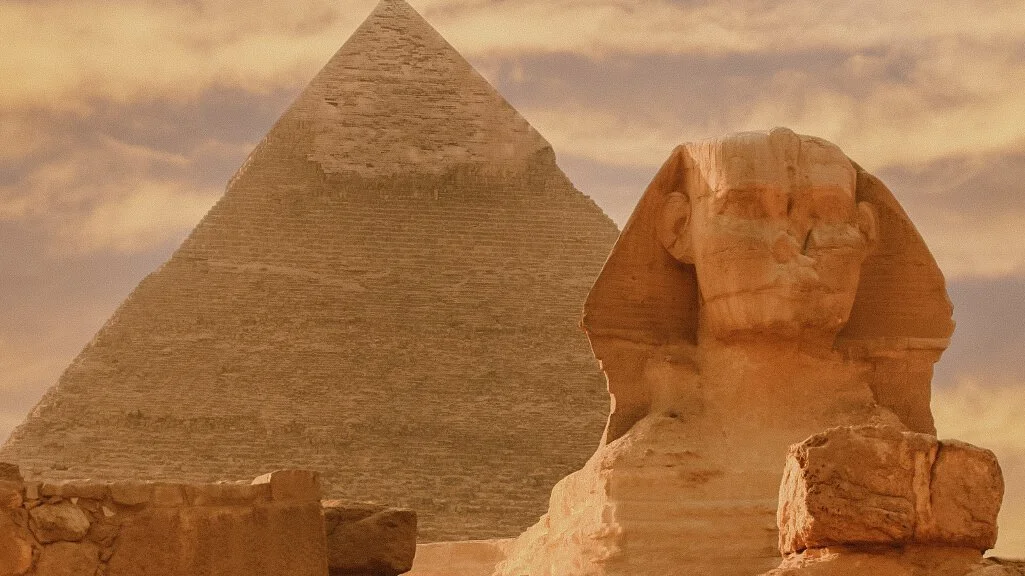
The Pyramids| Egypt
For generations, ancient Egypt was systematically disconnected from its African origins in popular imagination, school curricula, and mass media. That conversation is being corrected. Visiting Egypt as part of a heritage journey is an act of reclamation.
Places to visit in Egypt:
Luxor
Luxor holds the Valley of the Kings, over sixty royal tombs decorated with paintings thousands of years old and still vivid. It also holds the Karnak Temple Complex, the largest religious building ever constructed. Walking through its columns, some twenty-one meters high, you understand in your body what it means to come from a civilization that thought at a scale never equaled.
The river south to Aswan brings you to ancient Nubia, a civilization that in many periods rivalled Egypt itself and contributed enormously to what we now call Egyptian culture.
Great Pyramids of Giza
And no list of where to visit in Africa is complete without the Great Pyramids of Giza. Built 4,500 years ago by a Black African civilization, they are the tallest structures on earth for nearly four thousand years. Standing before them is not a visual experience. It is a reckoning with what was always possible when African people were free to build.
5. Tanzania: Ancestry, Land, and the Swahili Coast
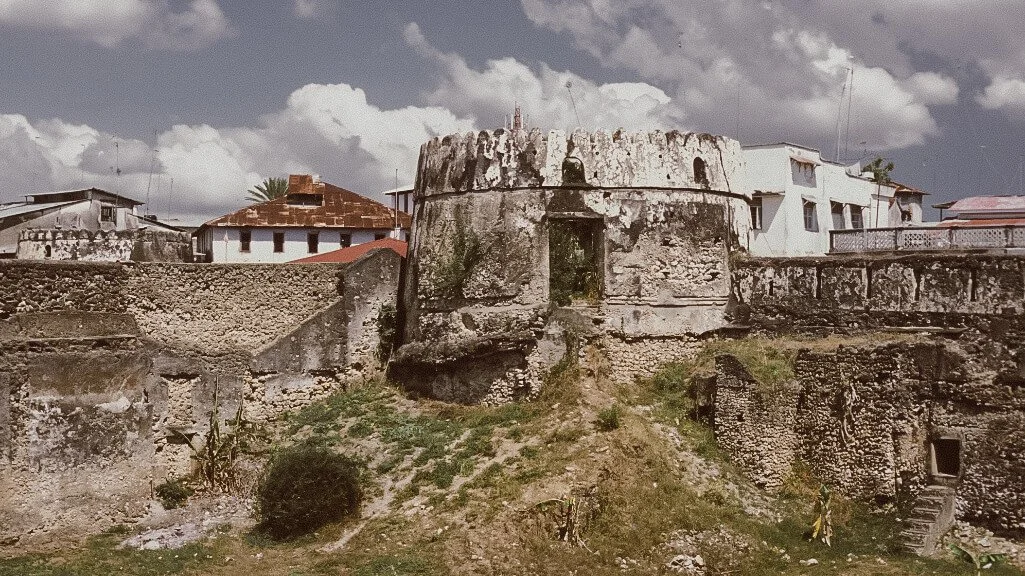
Stone Town| Tanzania
Tanzania holds some of the oldest evidence of human life on earth alongside the deep, layered culture of the Swahili Coast.
Places to visit in Tanzania:
Stone Town
The Stone Town in Zanzibar is a UNESCO World Heritage Site whose architecture reflects centuries of encounter between African, Arab, Indian, and European cultures. Walking its narrow streets, spices in the air, carved wooden doors at every turn, is a sensory immersion unlike anywhere else.
But Stone Town also holds darkness. The island was a major center of the Arab slave trade in the nineteenth century. The Old Slave Market, now an Anglican Cathedral, stands above the original holding cells where enslaved people were kept before being sold. Like Cape Coast and Gorée, it asks you to bear witness.
Olduvai Gorge
In northern Tanzania, the Olduvai Gorge, the Cradle of Humankind, holds footprints preserved in volcanic ash that are 3.6 million years old. Walking in the landscape where humanity first walked carries a meaning that is difficult to put into words.
Mount Kilimanjaro
And Mount Kilimanjaro, rising 5,895 meters from the plains, is more than a physical challenge. For many diaspora travelers, climbing it is an act of reclamation. It is proof of what Africa has always been: not a place of limitation, but a place of extraordinary magnitude.
6. South Africa: Truth, Resilience, and the Rainbow Nation
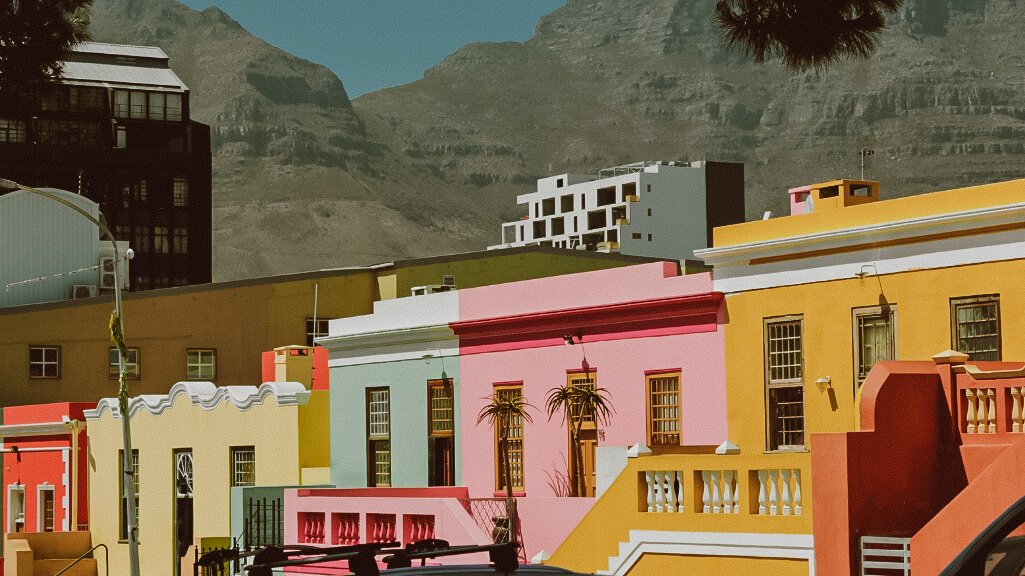
Bo-Kaap houses| Cape Town
South Africa holds the most recent and still-living heritage of Black resistance and survival. This is not ancient history. It is the story of people whose grandparents are still alive.
Places to visit in South Africa:
Robben Island
This Island is nine kilometers off Cape Town, it is where Nelson Mandela spent eighteen of his twenty-seven years in prison. UNESCO declared it a World Heritage Site in 1999, describing it as a symbol of the triumph of the human spirit over oppression. Today, its tours are often led by former political prisoners, whose calm authority in those cells is one of the most moving experiences heritage travel offers.
Johannesburg
In Johannesburg, the Apartheid Museum does not simply tell you what happened; it makes you experience something of it. Nearby in Soweto, the Hector Pieterson Memorial marks the spot where, in 1976, police opened fire on schoolchildren protesting apartheid education policies. It is a reminder that the story of resistance is always also the story of young people who refused to accept what adults had been taught to endure.
Cape Town
Its ocean, its mountains, its Bo-Kaap neighborhood, and its Cape Malay culture show what South Africa is still becoming.
7. Nigeria: The Heartbeat of Black Culture
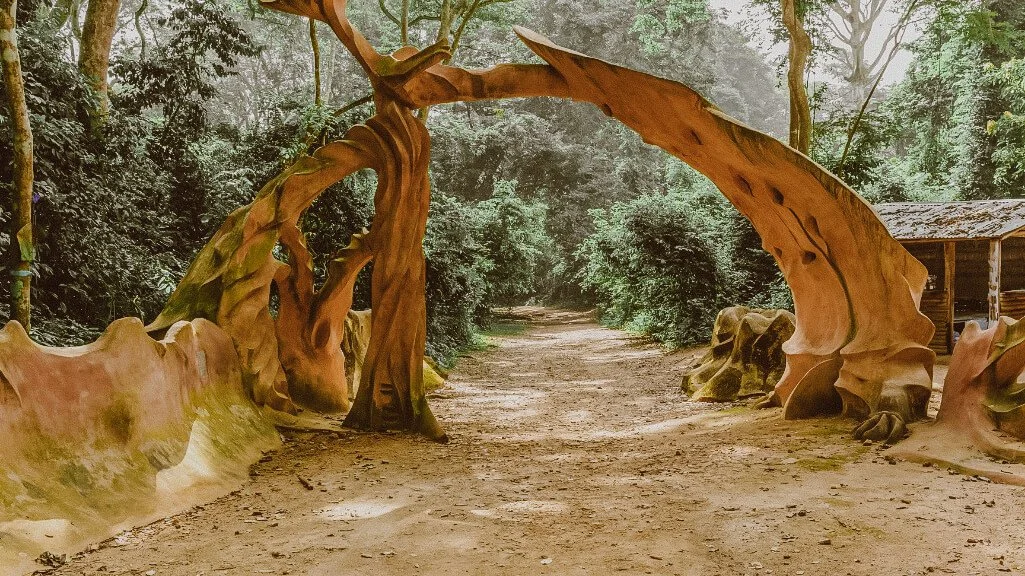
Osun-Osogbo sacred grove| Nigeria
Nigeria is not merely a country. It is a civilization. With over 200 million people and more than 250 ethnic groups, its cultural contributions to the world, through music, literature, art, film, food, and spiritual practice, are immeasurable. For the diaspora, its significance runs even deeper: the Yoruba religion carried across the Atlantic became the foundation of Candomblé in Brazil, Santería in Cuba, and Vodou in Haiti.
Places to visit in Nigeria:
Lagos
It is one of the world's fastest-growing cities and one of its most creatively exhilarating. Lagos is the engine of afrobeat music, the home of a thriving contemporary art scene, and a city that demands engagement and rewards it generously.
Benin City
About 300 kilometers east, Benin City was the capital of a sophisticated kingdom producing some of the finest bronze work ever created anywhere in the world. The Benin Bronzes, many stolen by British forces in 1897 and still held in European museums, represent one of the most important repatriation conversations in global cultural heritage today.
Osun-Osogbo Sacred Grove
And in southwestern Nigeria, the Osun-Osogbo Sacred Grove, a UNESCO World Heritage Site since 2005, is a forested sanctuary along the Osun River. This is where practitioners of Candomblé from Brazil, Santería from Cuba, and Ifá from across the Americas make the journey each August to attend the Osun-Osogbo Festival. They are coming home to the source. Walking through that forest, standing before its shrines, you understand that African spiritual practice is not folklore. It is a living, global tradition that never stopped.
8. Rwanda: Healing, Reconciliation, and Rebirth
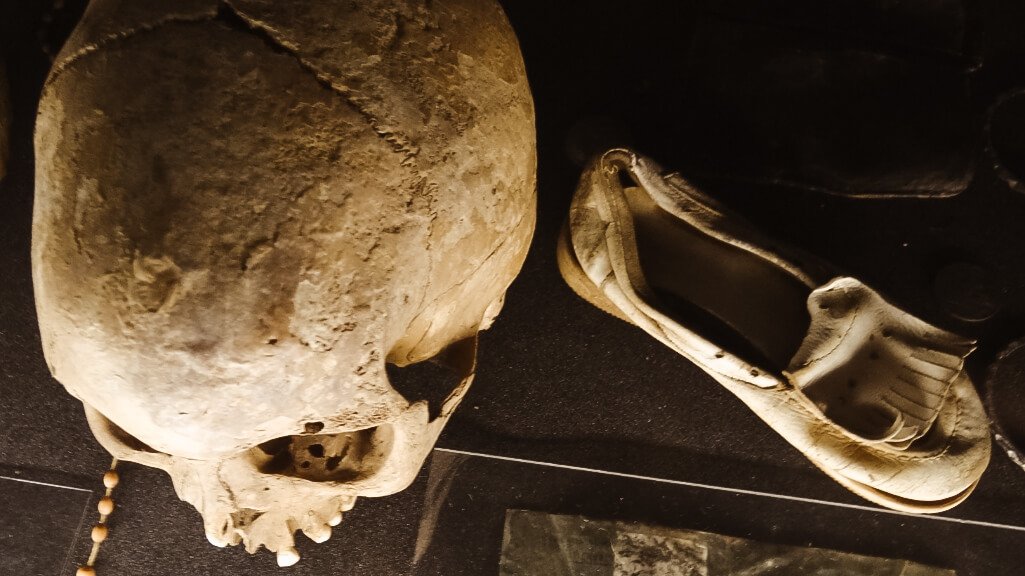
Skull of Genocide victim| Genocide Memorial Center | Rwanda
In 1994, the Rwandan genocide killed approximately 800,000 people in 100 days. Rwanda today is one of the safest, cleanest, and most forward-looking countries in Africa. Its transformation is one of the most remarkable stories of the modern world.
Places to Visit in Rwanda:
The Kigali Genocide Memorial
The burial site of over 250,000 victims is one of the most carefully designed and emotionally intelligent memorial museums on earth. It documents 1994 with honesty and places the genocide in the context of Belgian colonial policies that institutionalized division between the Hutu and Tutsi communities. For diaspora travelers, the resonance is clear: the way colonial division-making was weaponized in Rwanda echoes patterns that play out wherever colonialism has gone.
Visiting this memorial is not only about Rwanda. It is about understanding the tools of oppression and the extraordinary power of communities that choose reconciliation over revenge.
Kigali itself is clean, safe, and quietly purposeful. The Inema Arts Center, founded by two Rwandan brothers, is among the most exciting contemporary art spaces on the continent. Rwanda is proof that healing is possible. It is proof that Africa, in its own way and on its own terms, knows how to rise.
9. Morocco: Where Africa Meets the Ancient World
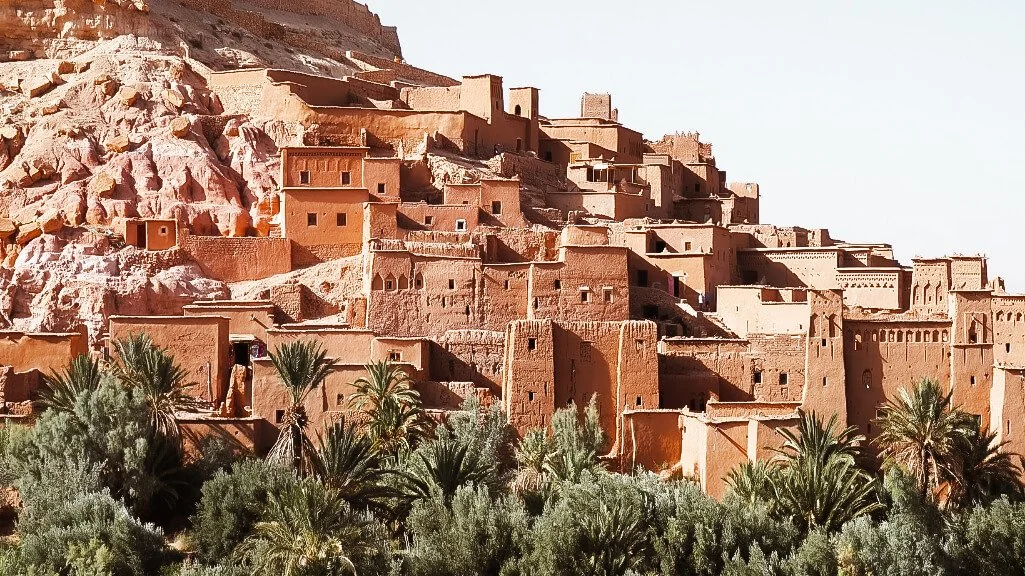
Ait Benhaddou| Morocco
Morocco is a country of startling complexity. A country where the Sahara meets the Mediterranean, where African, Arab, Amazigh, and European cultures have layered upon each other for centuries. It holds more UNESCO World Heritage Sites than any other country on the continent.
Fes
Founded in the ninth century, it is one of the oldest continuously inhabited cities on earth. Its ancient medina, Fes el-Bali, is the largest car-free urban zone in the world, and at its heart stands the University of Al Quaraouiyine, founded in 859 CE by Fatima al-Fihri, considered the oldest continuously operating university in the world. At a time when Europe was in the Dark Ages, Fes was a city of scholars.
Its tanneries, copper souks, carved plaster, and geometric tilework are among the most beautiful things the human world has produced.
Marrakech and its Jemaa el-Fnaa square
It is the largest open square in Africa and has gathered storytellers, musicians, and travelers for over a thousand years. The Gnawa people of Morocco trace their ancestry to enslaved Africans brought to North Africa centuries ago; their music, hypnotic, spiritual, rooted in African healing traditions, heard at the annual Gnaoua Festival in Essaouira, is another act of diaspora recognition.
How to Choose Your Journey of Return
Begin where the pull is strongest. If you have been drawn to Ghana for years, start there. Consider what you are emotionally ready to feel, because visits to slave castles and genocide memorials are demanding and deserve your full presence.
Think about the history in your own family. DNA ancestry results, oral history, and spiritual traditions you already carry can all point the way. Do not try to see everything on one trip. Ten days in Ghana will give you more than two days in five countries. And travel with a guide who understands the weight of the journey, someone culturally grounded, historically honest, and emotionally intelligent.
Conclusion
Every year, more people of African descent are making the journey back. They are choosing to stand on the ground that made them and feel it also recognize them. This is what the Sankofa principle means: go back and get it. Look to the past to understand the present. Build the future from a foundation that is whole, not fractured.
The best places to visit in Africa are the ones that change you. They return to you a part of yourself that was never supposed to be lost.
When you are ready, Protour Africa is here. Get in touch with us

Date-Jul 2026 & Jul 2027 Number of days-10 days
This tour is curated for guests seeking the deep continuity of their Pan-African heritage. Rather than beginning with the immediate emotional weight of the coastal dungeons, this journey starts at the northern trade routes, where it all began. Follow with participation in the PANAFEST festival and conclude with the natural majesty of the Volta Region of Ghana.