
Ghana Travel Requirements for American Travelers (2026)
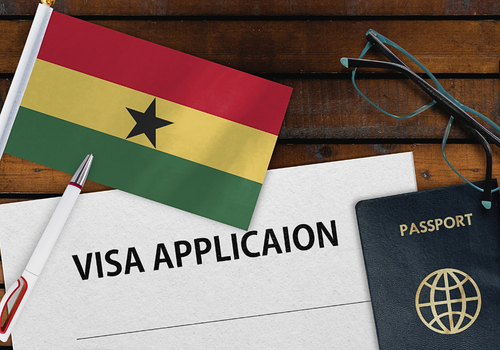
If you're an American planning a trip to Ghana, the paperwork side of the process has changed recently, and it's worth understanding exactly where things stand before you book flights.
Ghana moved to a new entry system in 2026, and getting the details right early saves you stress later. Here's what American travelers need to know, explained plainly in this blog post.
Enjoy reading.
Visa Requirements for U.S. Citizens Visiting Ghana
As of May 2026, Ghana replaced its previous system with a mandatory online e-Visa, applied for in advance through the official Ghana Immigration Service portal at evisa.immigration.gov.gh. This update is according to the Ministry of Foreign affairs of Ghana.
This is an important shift for American travelers to understand: Ghana does not offer a routine visa-on-arrival option for U.S. citizens. Arriving without an approved visa can mean being denied boarding by your airline or turned away at the port of entry, so this step isn't optional or something to handle after you land.
If a visa on arrival (sometimes called an Emergency Entry Visa) is granted under special circumstances, it must be pre-approved by the Ghana Immigration Service before you board your flight
The E-Visa Application
The e-Visa application is done entirely online. You'll create an account, complete the application form, and upload the required supporting documents. Standard processing takes around 96 hours, though it's wise to apply several weeks ahead of travel to allow buffer time in case additional information is requested.
A single-entry e-Visa is typically valid for 90 days from the date it's issued and permits a stay of up to 30 days in Ghana. If your trip involves multiple entries, for example, a combined trip that includes a short visit to a neighboring country, a multiple-entry visa option is available at a higher cost.
Be cautious about where you apply. The official portal is the safest and most direct route, and it's worth avoiding third-party agents who charge significant markups for a process you can complete yourself. That said, if the online process feels overwhelming, reputable visa service companies can handle the application on your behalf for a fee. Just confirm they're working directly with Ghana's official systems rather than an unaffiliated intermediary.
Understanding Ghana Visa Costs and Categories
Ghana's e-Visa fees vary by visa type and duration, and it's worth checking the current fee schedule on the official portal directly, since these figures are periodically updated. Broadly, a single-entry tourist visa and a multiple-entry visa are priced differently. The multiple-entry option costs more but offers flexibility if your trip includes travel into a neighboring country like Benin or Togo and back into Ghana.
Payment is made online during the application process using a debit or credit card, so have that ready before you start.
It's worth noting that African passport holders, including many from ECOWAS member countries, are treated differently under Ghana's system. Some are exempt from visa fees for tourism or business, though they may still need to complete the e-Visa application itself as a fee waiver rather than a full visa-free exemption.
This distinction matters if you're traveling with family members who hold passports from other African countries, since their requirements may look different from yours as a U.S. passport holder.
Passport, Entry Rules, and Yellow Fever Vaccination Requirements
Passport validity
Your passport needs to remain valid for at least six months beyond your intended stay in Ghana, and it's generally recommended to have at least a couple of blank pages available for entry stamps. If your passport is close to expiring, renew it well before you begin the visa application process, since an expiring passport can complicate or delay approval.
Yellow fever vaccination
This is the requirement that catches the most travelers off guard, because it's separate from the visa process and enforced directly at the port of entry. Ghana is located in a yellow fever risk region, and under international health regulations, all travelers nine months of age or older must show documented proof of yellow fever vaccination upon arrival. This is regardless of where they're traveling from. There's no exception for travelers coming from countries without yellow fever risk.
The certificate becomes valid ten days after vaccination, so this needs to be handled well in advance of your trip not the week before you fly. According to the World Health Organization, a single yellow fever vaccination provides lifetime protection, so if you've been vaccinated previously and have documentation, you generally won't need a booster. Keep both a physical copy and a photo of your certificate accessible while traveling, since immigration officials check this closely.
Onward or return travel
While a return or onward ticket isn't listed as a formally itemized document on Ghana's e-Visa application, it's a practical necessity in two ways: the application itself asks for your travel dates and departure plans, and airlines commonly request proof of onward travel at check-in. Having a confirmed return or onward booking before you apply is the sensible default rather than something to sort out later.
Supporting documents for your application
Beyond your passport and photo, the e-Visa system typically asks for details about your accommodation in Ghana, your travel dates, and the purpose of your visit. If you're staying with family or a host, having their address and contact information ready will make the application smoother.
Money, Health, and Safety Essentials Before You Go
Currency and payments
Ghana's currency is the Ghanaian cedi. While card payments are increasingly accepted in hotels, restaurants, and larger shops in Accra, cash remains important for markets, smaller vendors, and transportation. Withdrawing cedis from ATMs after you arrive typically offers a better exchange rate than converting dollars beforehand, though it's worth carrying some cash for your first day or two before you've located a reliable ATM. Mobile money platforms are also widely used across Ghana for everyday transactions. Setting one up shortly after arrival with help from a local host, can make smaller payments considerably easier than relying on cash alone.
Health preparation
Beyond yellow fever, malaria is present in Ghana, and most travel medicine providers recommend antimalarial medication for visitors, taken according to your doctor's guidance and started before arrival. Common options prescribed for Ghana travel include atovaquone-proguanil, doxycycline, and mefloquine, each with different dosing schedules and side effect profiles, so it's worth discussing which fits your health history and travel dates best.
It's also worth scheduling a travel health consultation four to six weeks before your trip to confirm any other recommended vaccinations, such as typhoid or hepatitis A, based on your specific itinerary. Bring any prescription medications in their original packaging along with a note from your doctor if you're carrying anything that might need explaining at customs.
Travel insurance
Given the distance and the nature of international medical care, travel insurance that covers medical evacuation is worth strong consideration, particularly if your trip includes more remote regions outside Accra.
Safety basics
Ghana is generally considered one of the more stable and welcoming countries in West Africa for international visitors, but ordinary travel precautions still apply. Being mindful in crowded markets, using reputable transportation, and keeping copies of your important documents separate from the originals.
Registering your trip with the U.S. Department of State's Smart Traveler Enrollment Program (STEP) before you leave is a simple step that connects you with embassy updates and assistance if needed while you're abroad. It's also worth checking the State Department's current travel advisory level for Ghana before you go, since these are updated periodically and offer a useful, non-alarmist snapshot of what to be aware of.
Local SIM and connectivity
Ghana's mobile networks are reliable in Accra and most major towns, and local SIM cards are inexpensive and easy to purchase on arrival at the airport or in the city. Staying connected makes navigating logistics, currency conversion, and communication with family significantly easier throughout your trip.
Electricity and adapters
Ghana uses type D and G electrical outlets, running on 230V , different from the standard U.S. setup. Pack a universal adapter, and check whether your electronics are dual-voltage before plugging anything in directly, since not all U.S. devices handle the voltage difference without a converter.
Water and Hydration
Bottled or filtered water is the safer choice throughout your trip, including for brushing teeth in areas outside major hotels. Most hotels and restaurants catering to international travelers are well aware of this and offer bottled water as standard.
Read more about Ghana travel tips in this post.
Best Time to Book and Plan Your Trip to Ghana
Ghana's climate follows a wet and dry pattern rather than four distinct seasons. The driest, most comfortable stretch for travel generally runs from November through March, with the harmattan winds (a dry, dusty wind from the Sahara) most noticeable from December through February.
The rainy seasons fall roughly from April through June and again from September through November, though rain typically comes in shorter bursts rather than lasting all day.
Given the visa processing timeline which is typically several working days, a reasonable planning timeline for most travelers looks like this:
Begin your yellow fever vaccination and any other travel health preparation at least four to six weeks before departure
Submit your e-Visa application three to four weeks ahead of travela
Finalize flights and accommodation once your visa is approved.
Bonus Tip
If your trip is tied to a specific event like a family reunion, a wedding, a festival, or the December homecoming season, book earlier rather than later. Flights and accommodations during Ghana's peak travel periods, particularly December, fill up well in advance, and building in extra time for the visa and health preparation steps means one less thing to worry about as your travel dates approach.
A Quick Reference Checklist
Passport valid for at least six months beyond your stay, with blank pages available
Ghana e-Visa applied for online in advance through the official government portal
Yellow fever vaccination completed at least ten days before travel, with certificate in hand
Antimalarial medication and other recommended vaccinations discussed with a travel health provider
Travel insurance with medical coverage arranged
Confirmed return or onward travel booking
Accommodation details and host contact information ready for your visa application
Trip registered with the State Department's STEP program
Copies of key documents stored separately from originals
Frequently Asked Questions
Can I get a Ghana visa on arrival as a U.S. citizen?
No, not as a routine option. Ghana's visa-on-arrival is reserved for narrow, exceptional circumstances, such as urgent business travel or emergencies. It requires advance sponsorship from a host or organization in Ghana. For standard tourism or family visits, the e-Visa must be secured before you travel.
How long does the e-Visa process take?
Standard processing is typically completed within about 96 hours, but it's sensible to apply three to four weeks before your travel dates to account for any requests for additional documentation or unexpected delays.
What happens if I arrive without a yellow fever certificate?
Ghana enforces this requirement strictly at all ports of entry. Travelers without documented proof of vaccination can face denial of entry, so this isn't a requirement to leave until the last minute.
Do children need their own visa and yellow fever certificate?
Yes . The yellow fever requirement applies to all travelers nine months of age or older, and children generally need their own visa application as part of the family's travel documentation, even if they're traveling on a parent's itinerary.
Is it safe to use a third-party visa service instead of applying directly?
It can be, provided the service is reputable and transparent about working through Ghana's official immigration channels. If you choose this route, confirm they're not simply charging a markup for a process you could complete yourself directly on the official portal.
What if my visa application is denied or delayed close to my travel date?
This is exactly why applying three to four weeks ahead of travel matters. It gives you a buffer to respond to any requests for additional documentation or, in the rare case of a denial, to explore alternative options before your flight. Waiting until the week before your trip to apply removes that safety net entirely.
Does a Ghana visa allow me to work while I'm there?
No. A standard tourist e-Visa is intended for leisure, family visits, and short-term business activities like meetings or conferences. Any longer-term work arrangement requires a different visa category, and it's worth confirming the correct pathway directly with Ghana's immigration service if that applies to your situation.
Will my Ghana visa let me visit neighboring countries and return?
Only if you apply for a multiple-entry visa. A single-entry visa does not permit re-entry after leaving Ghana, which matters if your trip includes a side visit to Benin, Togo, or another neighboring country.
Conclusion
Entry requirements can and do change, so it's worth double-checking current details on Ghana's official e-Visa portal and the U.S. State Department's Ghana travel page close to your departure date. Even if you've traveled there before, Ghana's shift to a fully online e-Visa system in 2026 is a good reminder that these processes evolve. What was true on a previous trip may not apply the same way on your next one.
Once the paperwork is handled- the harder part- narrowing down everything you want to see, eat, and experience once you land is the fun part.
If figuring out the logistics feels like a lot to manage on your own, we help our family plan every part of the trip, from documentation questions to building the journey once you're here.
Get in touch with Protour Africa, and let's get you home.

Date-Jul 2026 & Jul 2027 Number of days-10 days
This tour is curated for guests seeking the deep continuity of their Pan-African heritage. Rather than beginning with the immediate emotional weight of the coastal dungeons, this journey starts at the northern trade routes, where it all began. Follow with participation in the PANAFEST festival and conclude with the natural majesty of the Volta Region of Ghana.