
African Roots Travel: How to Plan a Meaningful Return to Ghana
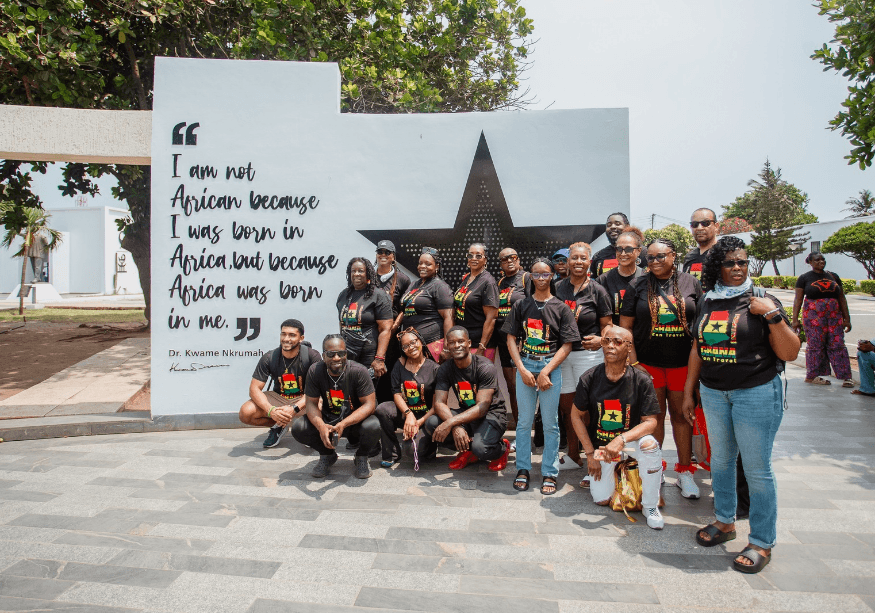
At some point, most people who eventually come to Ghana describe the same feeling beforehand: a pull they can't fully explain, followed by a long list of practical questions they don't know who to ask. How do I actually plan this? Do I need to prove anything about my ancestry? What do I do with the parts of this trip that might be emotional?
This guide is for that stage after the pull, before the planning gets overwhelming. Here's how a meaningful African roots trip to Ghana actually comes together.
Deciding When You're Ready
There's no test you need to pass before coming home.
You do not need a DNA result. You do not need documented proof of a Ghanaian ancestor. You do not need to have finished "figuring out" what this trip means to you before you book it. If you feel the pull toward Ghana, whether that pull comes from family history, from faith, from curiosity, or simply from a feeling you've carried for years, that's enough of a reason to come.
This matters because a lot of people delay this trip for years, waiting to feel "ready" or waiting until they've traced their lineage further back. If that research matters to you, it's worth doing. Some guests come with years of genealogy work behind them, and it adds real depth to their trip. But it isn't a requirement. Partners, friends, and allies travel this route all the time too, without any ancestral claim at all, and they're welcomed exactly the same way.
The honest answer to "when am I ready?" is usually: whenever you decide to be. Ghana will do the rest.
The Practical Side: Travel Requirements for Ghana and Tips
Once you've decided to come, the logistics are more straightforward than most people expect.
Visas
Most visitors will need a standard Ghana tourist visa, applied for either through a Ghana embassy or the country's e-visa system, depending on your nationality and current entry requirements. A standard tourist visa typically allows a 30-day stay, and can often be extended once you're in Ghana if needed. Requirements and processes are updated periodically, so it's worth checking current guidance directly from the Ghana Immigration Service or your nearest Ghanaian embassy close to your travel date, rather than relying on older information.
Right of Abode
This is a longer-term legal status Ghana has created specifically for people of African descent in the diaspora. It allows holders to live in Ghana indefinitely, enter without a standard visa, and work without a separate work permit . Though it does not automatically grant full citizenship or a Ghanaian passport.
This is a bigger, longer-term step than most first-time visitors need to think about, but it's worth knowing it exists if your trip is the beginning of a longer relationship with Ghana rather than a single visit. Because immigration policy in this space has been actively evolving, anyone seriously considering this path should confirm current requirements directly with Ghana's Ministry of the Interior before making plans.
Health preparations
A yellow fever vaccination certificate is generally required for entry into Ghana, and it's worth speaking with a travel clinic several weeks ahead of your trip, since some vaccines need time to take effect. Beyond that, standard travel health precautions apply, comfortable, breathable clothing for the climate, sun protection, and any personal medications packed in carry-on luggage.
Getting here
Most international travellers arrive through Kotoka International Airport in Accra, which has direct or one-stop connections from major cities in North America and Europe. From there, a good host arranges transfers, so your first hour in Ghana isn't spent figuring out logistics, it's spent arriving.
Budgeting
Costs vary widely depending on how you choose to travel, flights, accommodation level, and how much of your trip is arranged for you versus figured out on the ground all shift the total. Rather than trying to estimate this from generic articles, it's worth getting a real, itemized breakdown from whoever is planning your trip with you, so you know exactly what's included and what isn't before you commit.
Best time to visit
Ghana's dry season, roughly November through March, is generally the most comfortable time to visit in terms of weather, and it overlaps with December's "Detty December" season. Ghana's biggest celebration period, packed with concerts, festivals, and events that draw diaspora visitors from around the world. If a big, celebratory atmosphere matters to you, this window is worth prioritizing. If you'd prefer a quieter, less crowded trip, other months work just as well and tend to be easier to book on shorter notice.
Read more about tips for planning a memorable trip to Ghana
What a Well-Planned Roots Trip to Ghana Actually Includes
One of the most common mistakes in planning a roots trip is assuming it should be entirely heritage-focused, heavy, historical, one emotional site after another. The trips that actually stay with people balance that weight with everything else Ghana has to offer.
A well-rounded roots trip includes:
The full food experience: jollof rice, waakye, kelewele, suya, and family-style meals that turn into hours-long conversations.
Music, markets, and nightlife :live highlife bands, Makola Market's chaos and color, and an Accra night out that runs from dinner to dancing to street food at 2am.
Real connection with local hosts and families :not staged interactions, but genuine time spent with Ghanaians who are, by all accounts, glad to see the diaspora come home.
The heritage sites that carry real weight :Cape Coast Castle, Elmina, and Assin Manso, each holding a piece of the story that shaped the diaspora's history.
A naming ceremony: if you choose to include one, is a real tradition, extended to returning guests, that gives you a name rooted in this land.
The heritage moments matter deeply. But they land harder, not lighter, when they're part of a trip that also shows you Ghana is alive, vibrant, and full of joy and not only a place defined by its hardest history.
Preparing for the Emotional Moments

Assin Manso Slave River, Ghana
It's worth being honest about this part: some moments on a roots trip will hit harder than you expect, even if you've prepared for them mentally.
Cape Coast Castle is usually the moment people mention most. Walking through the same corridors and dungeons connected to the transatlantic slave trade, and standing at the Door of No Return looking out at the same ocean so many people saw for the last time before everything changed . This isn't something you rush, and it isn't something you experience the same way twice.
A few things help:
Go with people who understand the moment, not just a generic tour guide reciting facts. A good host stays close during this part of the trip, not narrating from a script, but present, and ready to give you space or support depending on what you need in that moment.
Don't schedule anything demanding immediately afterward. Give yourself room to sit with it, talk about it, or simply be quiet for a while.
Expect it to coexist with joy, not cancel it out. Many guests describe crying at the castle in the morning and laughing over dinner with new friends that same evening. Both are real. Neither erases the other.
You will not be alone in this. Guides, hosts, and often fellow travellers on the same trip are there specifically for this part of the experience. You are not expected to process it by yourself.
Conclusion
The most surprising part of an African roots travel to Ghana, for a lot of people, isn't anything that happens in Ghana. It's what happens after they land back home.
Many guests describe a shift they didn't expect. A shift like a stronger sense of identity, a different relationship to questions about heritage they used to answer with uncertainty, and often, a group chat with fellow travellers that stays active for years.
It's common for guests to return with a name from a naming ceremony, photos from Cape Coast, and a plan to come back. Sometimes bringing a sibling, a parent, or a close friend who wasn't ready the first time around.
This is part of why we think about this less as a single trip and more as the start of an ongoing relationship. Ghana doesn't disappear from your life once your flight home lands. For a lot of returning family, it's just the beginning.
Common Questions About Planning a Roots Trip to Ghana
How long should a first African roots trip be? Most first-time guests find a week to ten days gives enough time to include the food, culture, music, and heritage sites without rushing any single part of it. Especially the heavier heritage moments, which deserve unhurried time.
Do I need to travel with a group, or can I go alone? Both work. Some guests prefer the shared experience of a small group trip, especially for support during emotional moments like Cape Coast Castle. Others prefer a more personalized, individually planned trip. Neither is a wrong way to do this.
What if I want to explore other parts of West Africa too, not just Ghana? Ghana is where most people begin this relationship with the continent, but it doesn't have to be the only stop. Other destinations across the heritage corridor, including Benin, Togo, Senegal, and Gambia , each add a different layer to the story, for those who want to continue exploring after Ghana.
Is it safe to travel to Ghana? Ghana is widely considered one of the safest countries in West Africa for visitors. As with travel anywhere, working with experienced local hosts who know the roads, the people, and the practical details makes a real difference in how smooth and comfortable the trip feels.
What should I pack that people often forget? Lightweight, breathable clothing for the climate, comfortable walking shoes for heritage sites, a light layer for air-conditioned spaces, and, if you're including a naming ceremony, it's worth asking your hosts ahead of time whether traditional cloth can be arranged locally.
If you're at the stage of feeling the pull but not knowing where to start, that's exactly the right place to begin planning from.
Get in touch with Protour Africa and let's help plan your journey.

Date-Jul 2026 & Jul 2027 Number of days-10 days
This tour is curated for guests seeking the deep continuity of their Pan-African heritage. Rather than beginning with the immediate emotional weight of the coastal dungeons, this journey starts at the northern trade routes, where it all began. Follow with participation in the PANAFEST festival and conclude with the natural majesty of the Volta Region of Ghana.