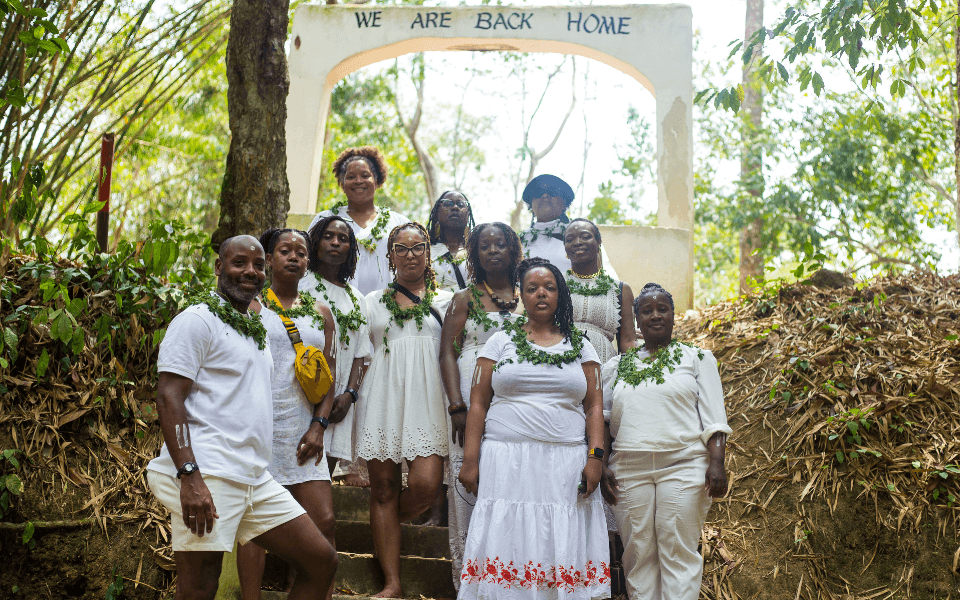
Top 8 Things to do in Ghana for Diasporans
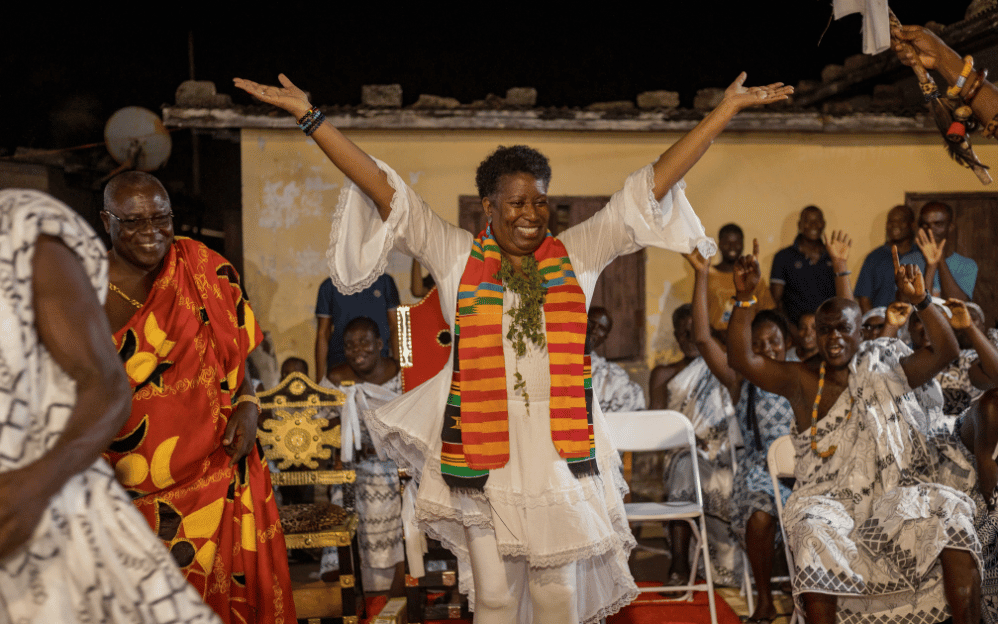
There is something that happens when you stand on Ghanaian soil for the first time. It does not announce itself loudly. It does not arrive the way you imagined it might, in some cinematic rush of tears and revelation. It comes quietly. A recognition. A settling. Something deep inside you that has been searching for a long time, suddenly, without warning, goes still.
For those who carry the heritage of the African diaspora, Ghana holds something that no other place on earth can offer in quite the same way: the possibility of return. Every town, festival, and site visited tells a story that connects the past to the present. From the solemn corridors of historic castles to the rhythmic beats of drumming, Ghana offers cultural experiences that will inspire, move, and transform.
In this blog post, we highlight the top things to do in Ghana, which is a map of experiences that have the power to change who you are and to restore who you have always been. If you're searching for things to do in Ghana on your future journey, consider this a gentle compass for heritage travel in Ghana and roots travel in West Africa.
Sankofa in Practice: 8 Experiences That Bring the Diaspora Home
01. Stand at the Door of No Return and Walk Back Through It
Cape Coast Castle and Elmina Castle are not heritage sites in the conventional sense. They are not places you visit the way you visit a museum. They are places that visit you.
These UNESCO World Heritage Sites held millions of enslaved African men, women, and children in their subterranean dungeons before they were forced through the Door of No Return onto ships. They served as transits into a world that would spend centuries trying to make them forget who they were. Standing in those dungeons, in the dark and the weight of that history, is one of the most profound things a human being can do. It is not comfortable. It is not meant to be.
What makes the experience transformative rather than simply devastating is the Return ceremony. Many who walk through that door are able to walk back through it. To reclaim it. To say, in the most embodied way possible: I came back. Our ancestors could not. I came back for them.
Elmina Castle, the oldest European building in Sub-Saharan Africa, was built by the Portuguese in 1482, decades before the transatlantic slave trade reached its devastating peak. Walking its whitewashed corridors with a knowledgeable cultural custodian allows you to understand not just the history of this place, but the full, unedited arc of what happened here and why it still matters.
People often tell us that standing in those rooms changed something inside them forever. We believe them. We have seen it happen.

Door of Return-Cape Coast Castle
02. Enter the Living Rhythm: Drumming and Dance as Ancestral Language
Before the transatlantic slave trade stole names and silenced languages, it could not silence rhythm. Rhythm survived. It crossed the ocean in the bodies of enslaved people and re-emerged in the music of the Americas, in jazz, in blues, in gospel, in hip-hop. The beat you feel in your chest when certain music plays? That is not a coincidence. That is ancestral memory.
When you sit before a master drummer in Ghana and learn the complex polyrhythmic patterns of Ewe or Ashanti drumming, you are not learning a new skill. You are recognising something that was already inside you. The connection is visceral, immediate, and often deeply emotional.
Dance here is not a performance. It is communication with the community, with the ancestors, with the divine. To move your body in these rhythms is to speak a language your lineage has never forgotten.
03. Witness the Sacred Naming Ceremony in Ghana
One of the most profound losses of the transatlantic slave trade was the theft of names. Enslaved people were stripped of the names that connected them to their families, their communities, their lineage, and their identity and given names that belonged to those who owned them.
In Ghana, naming is a sacred act. The Outdooring ceremony, held on the eighth day after a child's birth, formally welcomes a new life into the human community and bestows upon them a name that carries meaning, history, and spiritual weight. Water and wine are tasted. Prayers are offered. The community gathers to say: you belong here. You are known. You are held.
For those in the diaspora who were raised without ancestral names, who have spent a lifetime carrying surnames that were assigned rather than inherited, witnessing this ceremony carries a particular weight. It is a window into what was taken. And, for many, the beginning of reclaiming it. The naming ceremony for diasporans is one of the most cherished things to do in Ghana
04. Be Welcomed into a Living Community
One of the deepest fears that diaspora travelers carry, sometimes consciously, sometimes not, is the fear of rejection. The question beneath the question: Will Africa receive me? Do I belong here? Am I still family, after all this time and distance?
Spending time in a traditional Ghanaian community answers that question in the most direct way possible: not with words, but with welcome. In communities like those around Aburi or in the villages of northern Ghana, the hospitality is not performative. It is rooted in a genuine cultural understanding that the diaspora is family, family that was taken, family that has returned.
Here, you can sit with community elders and hear oral histories that no textbook carries. You can witness the artistry of local craftspeople, kente weavers, potters, woodcarvers---who are working in traditions that stretch back centuries. You can participate in the daily rhythms of communal life: farming, cooking, gathering.
These are not demonstrations staged for visitors. They are an invitation into a way of life and into a relationship that does not end when you board the flight home.
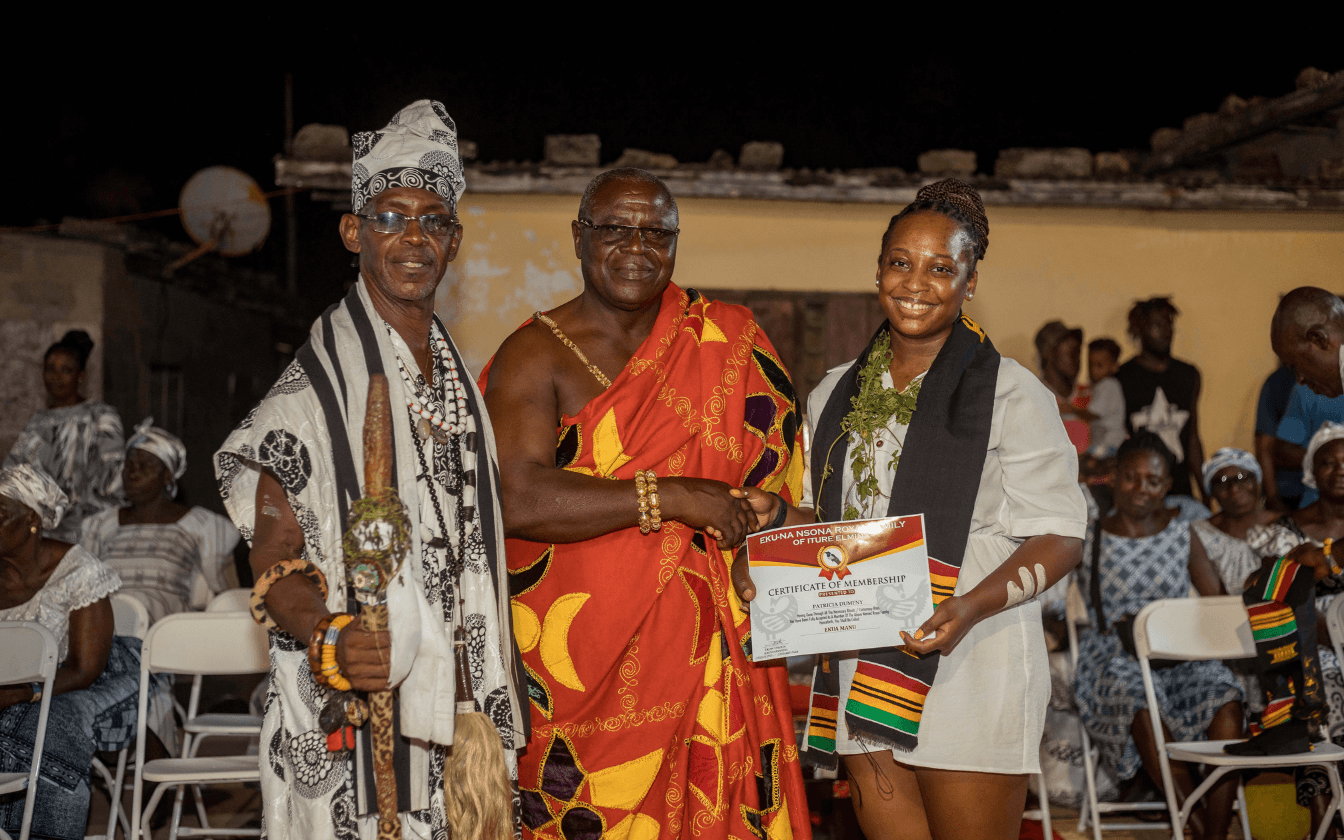
Naming ceremony in Ghana
05. Gather with the Diaspora Through Heritage Festivals
There are moments in Ghana's cultural calendar that feel less like events and more like convergences, moments when the diaspora and the continent come together in recognition of a shared story.
PANAFEST, a festival held biennially in Cape Coast in late July and early August, is one of the most significant of these moments. Centered around Emancipation Day on the 1st of August, it brings together theatre, academic scholarship, and deeply reverential gatherings at the slave castles. This creates a space where the weight of history and the power of reconnection exist simultaneously. For many diaspora travelers, PANAFEST is the experience that shifts something permanently.
The Homowo festival of the Ga people, celebrated in August at the height of harvest season, carries its own profound resonance. Its name translates as "hooting at hunger". It is a communal act of celebration over scarcity that echoes the resilience narratives at the heart of the diaspora experience.
And the Aboakyer festival in Winneba, where Asafo warrior companies compete in a ritual hunt to honour the divine. It offers a window into the spiritual and communal structures that survived, in transformed ways, across the Atlantic.
06. Read the Story That Survived: Ghana's Art Institutions
Every piece of art that survived the Middle Passage, every quilt pattern, every rhythm, every story told in a particular way was an act of resistance. An act of memory. Art is how African heritage refused to be erased.
Ghana's artistic institutions carry that legacy forward, in both its ancestral and contemporary forms. The Artists Alliance Gallery in Accra holds an extraordinary collection spanning traditional Kente weaving to Paa Joe's world-renowned fantasy coffins. These objects speak of how Ghanaian culture has always woven together the living and the ancestral. The Nubuke Foundation offers a research-led engagement with contemporary textiles and social identity. Gallery 1957 has elevated Ghanaian artists---particularly women to global recognition, making it a space where heritage and the future exist in conversation.
Away from Accra, the Red Clay Studio in the north uses monumental architecture and repurposed materials to explore themes of labour and memory. These kinds of themes resonate deeply for anyone carrying the history of the diaspora in their body.
07. Come to the Table: A Culinary Journey Through Living Memory
The food of the African diaspora has always carried Africa inside it. The okra in gumbo. The black-eyed peas of the American South. The rice dishes of the Gullah Geechee people. The spice and warmth and communal generosity of how Black families across the world gather around food. All of this is a living inheritance from West Africa.
A culinary journey through Ghana is, in this sense, a form of genealogical research. Sitting with a bowl of Fufu and groundnut soup, tasting the slow-cooked depth of flavour and the communal ritual of sharing from the same pot is to eat your way back to an origin.
From the spiced, fried plantain of Kelewele sold under city lights to the labour of pounding cassava in a traditional chop bar, food here is not sustenance alone. It is storytelling. It is a community. It is an invitation to the table that your family has always kept a place at.
Many of those who journey with us say that the moment they truly felt at home in Ghana was not at a heritage site or in a ceremony. It was when someone put a plate of food in front of them, and the taste was familiar.
08. Hear What Survived: Accra's Living Music and the Sound of Return
There is a question that many who carry the heritage of the African diaspora have sat with quietly, sometimes for years: how much of what was taken actually survived? Accra answers that question in the most visceral way possible. Through sound.
The music that moves through this city from the open-air stages of venues like +233 Jazz Bar & Grill to the spontaneous rhythms spilling out of neighbourhood bars in James Town is not simply entertainment. It is the audible evidence of what could not be destroyed. The foundations of Highlife, Afrobeats, and contemporary Ghanaian music trace a direct, unbroken line back to the same West African drumming traditions that crossed the Atlantic in the bodies of enslaved people. What became jazz in New Orleans, gospel in the American South, and reggae in the Caribbean, it began here. You will feel that moment when the music finds you when you explore the nightlife of Accra.
To spend an evening in Accra listening to live music with that knowledge inside you is a different experience entirely from a night out. It becomes a form of recognition. A homecoming that happens through the ears.
The city's rooftop spaces and gathering places, where locals and diaspora sit together under the same sky, also carry their own quiet significance. These are not tourist venues. They are places where the community of return makes itself visible. Where you look around and see, in the faces of strangers, something that feels like family.
Conclusion
Every experience described here is, at its deepest level, the same experience. The experience of reconnection. Of standing somewhere in a dungeon, in a ceremony, around a communal table, before a work of art, and feeling the distance close between who you have been taught you are and who you have always actually been.
For many, this is the essence of heritage travel in Ghana, reconnection with care and context.
People who journey with us do not return home the same. They return with something they did not have when they left, not a souvenir, but a piece of themselves. A deeper sense of origin. A name for the thing that was missing. A memory of soil beneath their feet and the sound of a language their body recognised before their mind did. This is the transformation we hold space for. This is the story we help our travelers write with their own lives.
When you are ready, your journey of return begins at Protour Africa.