7 Essential Ghana Travel Tips for Diaspora Travelers
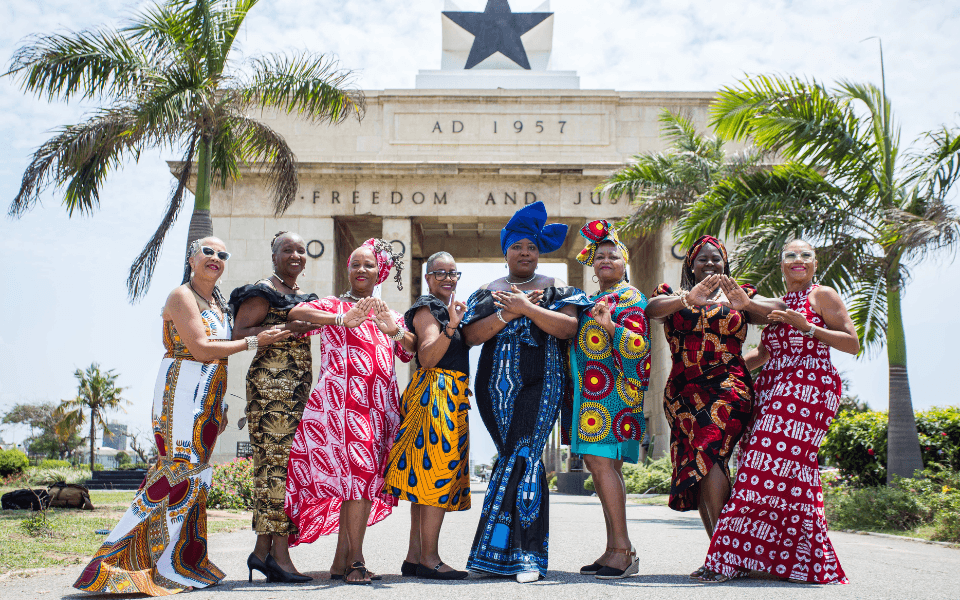
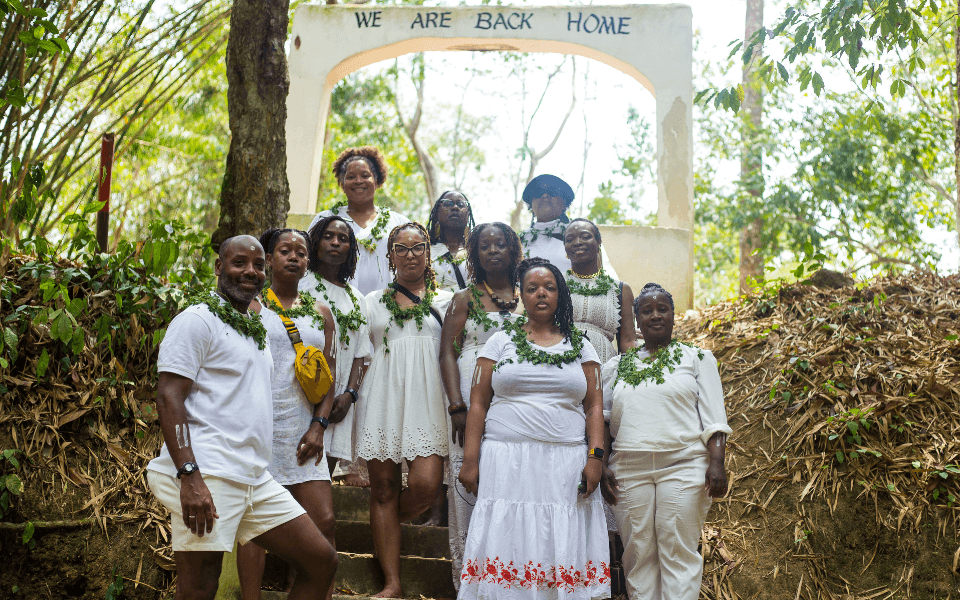
For many in the diaspora, visiting Ghana isn't just another trip; it's a return. It's a crucial journey where history stops being something you read about and becomes something you feel.
From the energy of Accra, Ghana's capital city, to the quiet weight of the castles along the coast, Ghana offers something deeper than mere sightseeing. It offers connection. Ghana has become one of the most meaningful destinations for diasporans seeking connection, identity, and understanding.
Dear diasporan, if this is your first time visiting Ghana, this blog post prepares you for an unforgettable journey to the motherland. You will get to know practical tips for travelling to Ghana that will help you plan with confidence.
Why Ghana Is the Gateway for Diaspora Travel
Ghana has become one of the most important destinations for diasporans seeking to reconnect with their roots. Initiatives like the Year of Return opened the door, but what keeps people coming back is the experience itself.
Ghana has positioned itself as more than just a travel destination. It is a bridge between the past and the present. For many African Americans and diasporans, Ghana represents one of the closest physical connections to ancestral history due to its role during the transatlantic slave trade.
But what truly sets Ghana apart is how it welcomes you, the natural hospitality. You'll hear this often: "Akwaaba," which means Welcome. This greeting, although cliché, doesn't feel like a formality. It feels genuine, like a hug from a distant cousin.
In Ghana, you're not just a visitor. You're welcome as family.
Why Ghana stands out as a Destination for Diasporas
Strong historical connection to the diaspora
Political stability and safety
English-speaking country (easy navigation)
Rich cultural traditions are still actively practiced
Intentional efforts to reconnect with the diaspora
Now that we have our why out of the way, let's explore the essential tips you need from planning to the journey.
Discover more about why Ghana is the best African destination for heritage travel.
Ghana Travel Tips for Diaspora Visitors
As a born and raised Ghanaian local guide, one of my top delights is to assist guests in enjoying their trip to Ghana. That begins with helping them plan with the best insider tips. Your homecoming journey to the motherland begins by mastering the insider tips below, including essential tips for travelling to Ghana that first-time visitors often ask about:
1. Ghana Visa and Entry Requirements for Travelers
Before you begin your journey, there are a few essential requirements to take care of. Do diasporans need a visa to visit Ghana? Yes, most diaspora travelers (including US, UK, and many European passport holders) require a visa before entering Ghana.
What You'll Need:
A valid passport (minimum 6 months validity)
Completed visa application form
Passport-sized photos
Flight itinerary
Accommodation details or invitation letter
Yellow fever vaccination certificate (mandatory)
The processing time typically takes 10--15 business days for the standard process and 5--7 business days for an Expedited process. Visa applications are straightforward but should be done early to avoid delays.
Bonus Tip
Apply at least 3-4 weeks before your trip, especially if traveling during peak season (December). Getting your visa is more than a requirement. It's the first official step in your journey.
2. When Is the Best Time to Visit Ghana
Ghana is a year-round destination, but your experience can vary depending on when you visit. Let's have a look at some of the best times and what makes them unique:
December -- January: Peak tour season, vibrant events, diaspora homecoming energy
March -- April: Cultural festivals and great weather
June -- October: Rainy season, fewer crowds, lush landscapes, and vibrant waterfalls.
If you want energy and connection as a first-time diaspora visitor in Ghana, December is unmatched. Accra becomes a global hub of culture, music, and celebration. Expect cultural festivals and events, vibrant nightlife, and a strong diaspora presence. Keep these Ghana travel tips in mind when planning peak-season trips.
Read more about the best time to visit Ghana.
3. Essential Packing Tips for Your Trip to Ghana
Packing for Ghana requires a mix of practicality and cultural awareness.
What to Pack:
Lightweight, breathable clothing
Comfortable walking shoes
Modest outfits for cultural sites
Light rain jacket (especially in rainy season)
Swimwear for beach areas
Essentials:
Sunscreen (the sun is strong year-round)
Insect repellent and personal medications
Portable power bank
Packing well ensures you stay focused on the experience, not discomfort. When it comes to what to wear in Ghana, feel free to pack your style. Don't be too hard on yourself.
Bonus Tip
In many places, especially outside Accra, dressing modestly shows respect and helps you blend in more comfortably. To embrace a deeper reconnection, consider getting some African print outfits when you are here. Packing well ensures you stay focused on the experience.
Travel requirements checked, flight booked for the best season, and bags packed to perfection, the next most important thing to consider is where to go.
4. Must-Visit Heritage Sites in Ghana
No first trip to Ghana is complete without visiting its most powerful historical landmarks. Ghana's heritage sites are not just attractions; they are spaces of memory, reflection, and connection.
Here are 3 of the most visited destinations for diasporans:
Cape Coast Castle: One of the most significant sites of the transatlantic slave trade. Walking through its dungeons is a deeply emotional experience. You will see the Door of No Return and walk through it.
Elmina Castle: The oldest European building in sub-Saharan Africa, rich with layered history. It offers additional context and depth to the history of the slave trade.
Kwame Nkrumah Mausoleum: This site is a tribute to Ghana's first president and the country's independence story. You will appreciate the Pan-African impact of Osagyefo Dr Kwame Nkrumah, an icon of Pan-African history.
To enrich your experience in Ghana, consider adding a drumming and dance or cooking class experience to your itinerary.
5. Mobile Connectivity: Getting a SIM Card in Ghana
Staying connected while in Ghana is simple and highly recommended for a smooth travel experience. You can easily purchase a SIM card either at the airport upon arrival or from official telecom shops within the city.
The most popular and reliable networks include MTN, Vodafone, and AirtelTigo, with MTN being the most widely used. To register your SIM card, you will need your passport and a small fee to cover the SIM and a data bundle.
Having local mobile data makes a big difference. It allows you to navigate with maps, stay in contact with guides or drivers, use ride-hailing apps like Uber or Bolt, and share your experiences in real time. Overall, getting a local SIM card adds convenience, flexibility, and independence to your trip in Ghana.
6. What to Eat in Ghana
Food is a huge part of the Ghanaian culture. And when you consider heritage, Ghanaian food is more than nourishment; it's culture, identity, and community.
Here are some dishes to try when in Ghana:
Jollof Rice: A West African staple, rich and flavorful
Fufu & Light Soup: A traditional dish eaten with your hands
Banku & Tilapia: Fermented corn dough served with grilled fish
Waakye: A popular rice and beans dish often eaten for breakfast or lunch
What makes Ghanaian food special are the bold flavours, fresh ingredients, and diversity. Every meal tells a story, and sharing food often becomes one of the most memorable parts of the journey.
7. Getting Around Ghana
Understanding transportation in Ghana plays a key role in shaping your overall travel experience. There are several reliable options depending on your needs and itinerary.
Private guided transport is the most comfortable and efficient choice, especially for heritage tours, as it allows for a seamless and stress-free journey. In cities like Accra, ride-hailing apps such as Uber and Bolt are widely available and convenient for short distances.
For longer trips across the country such as traveling from Accra to Tamale, domestic flights are the fastest and most practical option. For diaspora travelers in particular, guided travel adds significant value by providing historical context, cultural insight, and emotional support during deeply impactful heritage visits.
Rather than simply moving from place to place, it transforms your trip into a meaningful and immersive experience.
Conclusion
There's something no guidebook tells you. It's the moment you stand in the 'Door of No Return' and feel the weight of history. It's hearing "welcome home" from someone you've never met. It's realizing that this trip is changing something inside you. Ghana doesn't just show you history, it invites you into it.
Your first visit to Ghana will stay with you long after you leave, and hopefully, you got all the essential tips for travelling to Ghana here. An unforgettable Ghana experience is in the stories you hear. The people you meet and the parts of yourself you rediscover.