When is Best Time to Visit Ghana?

Imagine landing in Ghana, the "Gateway to Africa," with your heart set on the legendary Panafest celebration, only to realize you've arrived three months early. Or visiting a destination in the middle of a torrential downpour that has turned your dream itinerary into a series of waterlogged detours.
If you're wondering when the best time is to visit Ghana, understanding this can make your trip even more enjoyable, helping you plan around weather patterns, cultural events, and local festivals.
To help you find your perfect window of opportunity, let's explore the best time to visit Ghana. From seasons to celebrations that define the Ghanaian year.
Understanding Ghana's Weather: When to Travel
Ghana experiences a tropical climate, but the weather can vary significantly depending on the region and the season. Broadly speaking, the country has two main seasons: the rainy season and the dry season.
The dry season, which runs from November to March, is often considered the best time to visit Ghana for most travelers. During these months, the weather is generally sunny and warm, with lower humidity, making it ideal for sightseeing, beach trips, and outdoor activities. Northern Ghana can be cooler at night during this period, providing a pleasant contrast to the coastal heat. If you're deciding on the best time to travel to Ghana, these months offer reliable conditions and easier logistics.
The rainy season, which occurs between April and October, brings heavier rainfall, especially in southern regions such as Accra and the Central Region. While travel is still possible during this period, some roads in rural areas may become difficult to navigate, and outdoor plans may be disrupted. That said, the rainy season also brings lush green landscapes, fewer crowds, and lower travel costs, which can appeal to certain travelers.
Understanding the weather is especially important if you plan to explore Ghana's diverse regions. Coastal areas and major cities are warm year-round, while northern Ghana experiences more distinct seasonal variations, particularly with cooler evenings during the dry season.
Ghana Festivals Calendar: Timing Your Visit for Cultural Experiences
One of the highlights of traveling to Ghana is participating in its colorful and meaningful festivals. Timing your visit around Ghana’s festival calendar can provide unforgettable experiences and deeper cultural insights.
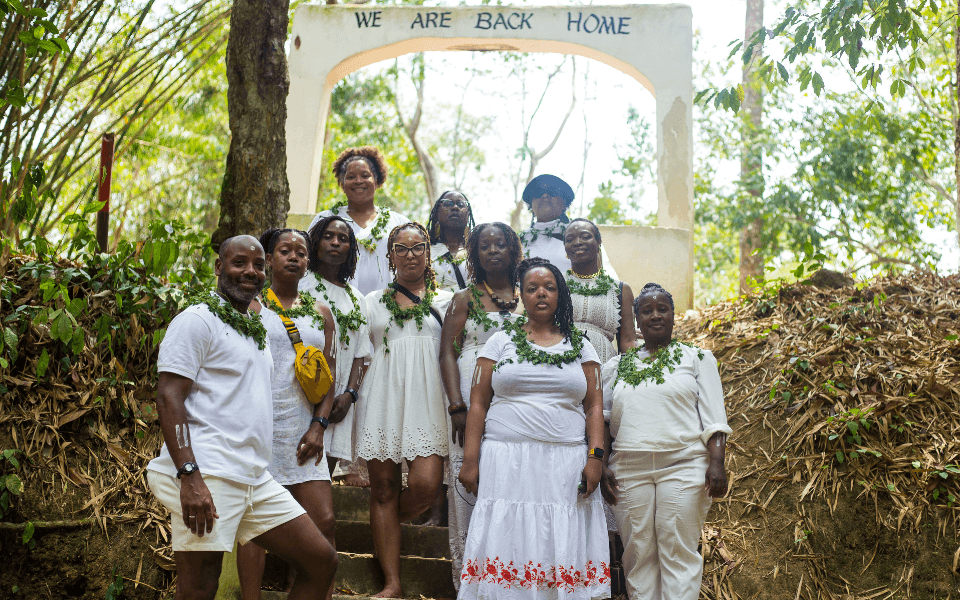
For instance, the Homowo Festival in Accra, celebrated by the Ga people, usually occurs between August and September and is a vibrant mix of music, dance, and traditional rituals marking the end of a historical famine. The Panafest and the Year of Return commemorations, held in July, are major events for diasporans looking to connect with Ghanaian heritage through cultural programs, performances, and historical tours.
Visiting during festival season allows travelers to witness rituals, parades, and local celebrations that are otherwise inaccessible. However, it's important to plan ahead, as accommodations can fill up quickly, and some events may require advance registration or tickets. Even outside major festivals, local towns often host smaller celebrations that reflect Ghana's rich traditions.
Regional Considerations: Matching Travel Plans With Weather
Ghana's weather varies slightly between the southern coastal areas and the northern savannah regions, which is worth considering when planning your itinerary. The coastal regions, including Accra and Cape Coast, experience slightly higher humidity and more consistent rainfall during the wet season, while northern Ghana has a more pronounced dry and wet season cycle.
For travelers exploring the northern regions, the dry season from November to March is ideal, as roads are more accessible and conditions are more comfortable for excursions to places like Mole National Park. In contrast, if your focus is on the southern coast or cultural festivals, August to September can be rewarding despite occasional rains, as it aligns with some of the country's most significant celebrations.
Ghana Travel Tips: Maximizing Your Visit
When planning your trip to Ghana, keeping a few practical tips in mind can enhance your experience:
Check the Ghana weather travel updates before departure to plan outdoor activities.
Book accommodations and festival tickets early if your visit coincides with major cultural events.
Pack for varying conditions, including lightweight clothing for the heat, a rain jacket for occasional showers, and comfortable shoes for walking and excursions.
Consider regional travel differences; the north can be hotter during the day but cooler at night, while coastal regions are humid but moderated by sea breezes.
By aligning your journey with favorable weather and local festivals, you can enjoy a Ghanaian experience that combines comfort, cultural richness, and unforgettable memories.
Conclusion
The best time to visit Ghana ultimately depends on your travel goals. If you're looking for sunny days and smooth travel conditions, the dry season from November to March is ideal. For cultural immersion, aligning your visit with the Ghana festivals calendar can provide a deeper connection to local traditions. Even during the rainy season, the lush landscapes and lower tourist traffic offer a unique perspective on Ghanaian life.
No matter when you travel, being aware of the Ghana weather travel patterns allows you to plan a trip that balances comfort, adventure, and cultural engagement. Ghana's warmth, both in climate and in the hospitality of its people, ensures that every visit is memorable.