9 Local Ghanaian Culture and Traditions Every Traveler Should Know
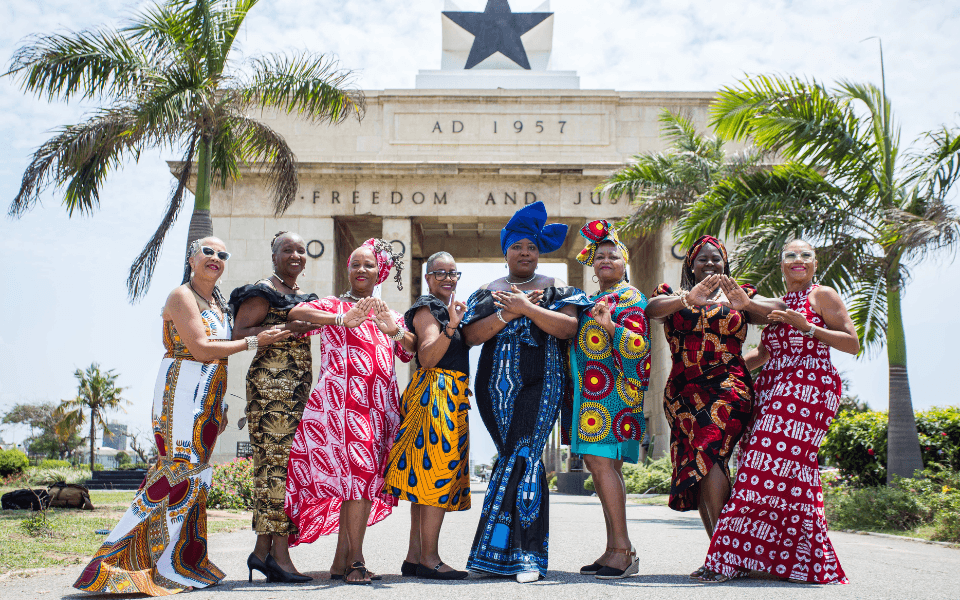
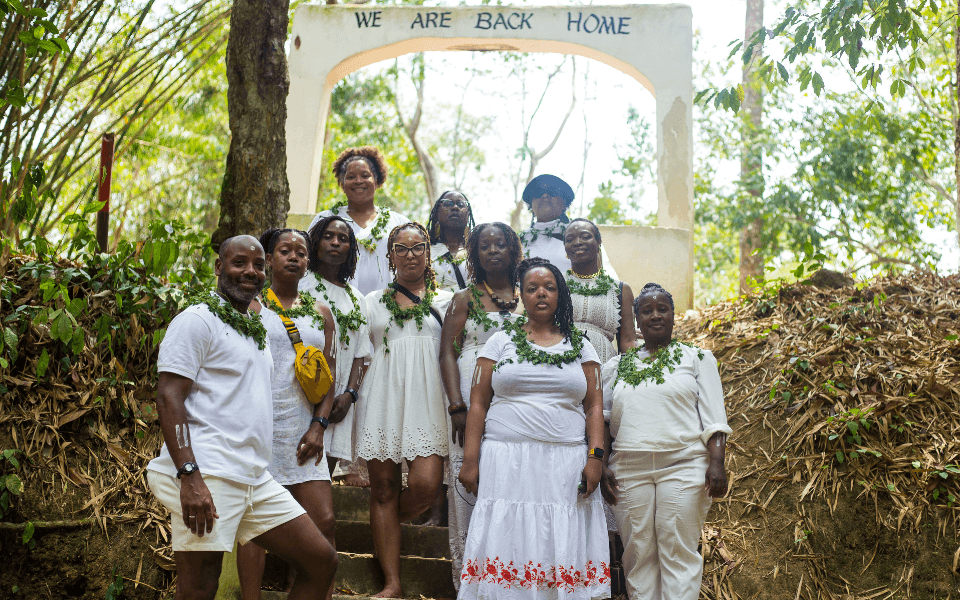
When you approach the "Gateway to Africa" with genuine cultural awareness, the boundaries between traveler and locals begin to dissolve. This mindset is the doorway to understanding Ghanaian culture and traditions.
Ghanaians are widely known for their warmth and hospitality, but that openness is rooted in a strong cultural framework. Understanding Ghana customs and traditions as a traveler allows you to move beyond being a visitor and step into a more meaningful, respectful exchange. When you approach Ghana with cultural awareness, you don't just observe, but you connect.
In this blog post, we learn about local Ghanaian culture and traditions that every traveler should know. Understanding and practising these local customs during your trip to Ghana adds to your experience in a meaningful way. These essentials are sometimes summarized as Ghana customs and etiquette in travel guides.
Why Respecting Ghana Local Customs Matters
In Ghana, respect is not simply a social courtesy. It is a core value that defines relationships and interactions. From the way you greet someone to how you carry yourself in public spaces, your behavior communicates your level of awareness and appreciation for the culture.
When you take the time to understand these local customs, people respond differently. Conversations become warmer, interactions more genuine, and experiences more immersive. You begin to notice that doors open more easily because you are seen as someone who respects the environment you are in.
This is especially important in a country like Ghana, where community and interpersonal respect are deeply intertwined. By aligning with these values, you create space for richer, more authentic experiences.
Ghanaian Culture and Traditions Every Traveler Should Know
Greetings: The Foundation of Ghanaian Culture
One of the first things you'll notice when you arrive in Ghana is the importance of greetings. Unlike in many fast-paced cultures where conversations begin abruptly, greetings here are intentional and essential.
Before any meaningful interaction, whether asking for directions, entering a shop, or starting a conversation, it is customary to greet first. This is not a formality; it is a sign of respect and acknowledgment. Skipping this step can come across as dismissive, even if unintentional.
In places like Accra (Ghana's capital city), where life moves more quickly, you may find a blend of traditional and modern interaction styles. Still, the expectation of greeting remains strong. Taking a moment to ask how someone is doing or simply offering a polite "good morning" can immediately change the tone of your interaction.
Over time, you'll find that greetings are relational. They create a sense of connection before anything else happens.
The Importance of the Right Hand
One of the most widely observed cultural practices in Ghana is the use of the right hand for interactions. Whether you are giving or receiving something, shaking hands, or eating, the right hand is expected.
This custom is rooted in long-standing cultural norms, where the left hand is traditionally associated with personal hygiene. As a result, using it in social exchanges can be seen as disrespectful.
As a visitor, being mindful of this practice shows cultural awareness. Even in situations where it might feel unfamiliar, making the effort is always appreciated. In more formal or traditional settings, you may also notice people supporting their right arm with the left hand when giving something. This gesture adds an extra layer of respect, particularly when interacting with elders.
Dressing Modestly and Appropriately
Ghana offers a diverse range of environments, from cosmopolitan cities to rural communities, and your approach to dressing should reflect this diversity. While urban areas are generally more relaxed, modesty is still valued, especially in traditional or community settings.
Dressing appropriately is not about strict rules but about understanding context. When visiting cultural sites, attending ceremonies, or traveling outside major cities, more conservative clothing is advisable. This demonstrates respect for the Ghanaian culture and traditions which helps you integrate more comfortably into different environments.
In cities like Accra, you will see a mix of modern fashion and traditional attire. This blend reflects Ghana's evolving identity, where contemporary lifestyles coexist with deeply rooted cultural values.
Visiting Cultural and Historical Sites
Ghana is home to some of the most significant historical landmarks in West Africa, including Cape Coast Castle and Elmina Castle. These sites are not only important tourist destinations but also powerful reminders of a complex and painful history.
When you visit these places, it is important to approach them with sensitivity. The atmosphere is often reflective, and many visitors experience strong emotions as they move through the spaces. Speaking quietly, following guidance from tour leaders, and taking time to absorb the experience all contribute to a respectful visit.
Photography may be restricted in certain areas, so it is always best to ask before taking pictures. More importantly, allow yourself to engage with the history in a meaningful way rather than rushing through it. These are places where reflection matters.
Respect for Elders and Authority
Respect for elders is a defining aspect of Ghanaian culture and traditions. Age is associated with wisdom, and elders are regarded as important figures within both family and community structures.
In everyday interactions, this respect is expressed through tone, body language, and attentiveness. Greeting elders first, listening without interruption, and maintaining a polite demeanor are all part of this cultural expectation.
In more traditional settings, such as visits to local chiefs or community leaders, this respect becomes even more pronounced. These encounters are often guided, but understanding the underlying cultural value helps you navigate them with confidence and grace.
Social Etiquette and Everyday Behavior
Daily life in Ghana is shaped by a strong emphasis on harmony and mutual respect. Public interactions tend to be calm and courteous, and maintaining composure is highly valued.
You may notice that time is approached differently, especially in social settings. Events may not always start exactly as scheduled, and flexibility becomes an important part of the experience. Rather than viewing this as inefficiency, it helps to see it as a reflection of a more relaxed approach to time.
Politeness also plays a key role in everyday interactions. Expressing gratitude, being patient, and maintaining a respectful tone can go a long way in shaping how you are received.
Food Culture and Dining Etiquette
Food in Ghana is an expression of culture and community. Sharing a meal is often a social experience, and how you engage with it reflects your openness to the culture.
In many settings, eating with your right hand is customary, particularly when enjoying traditional dishes. Washing your hands before and after meals is also standard practice.
When food is offered, accepting it even in small amounts is seen as a sign of appreciation. But don't be forced to do what you are not comfortable with. Trying local dishes shows curiosity and respect, and it often leads to deeper cultural exchanges. In cities like Accra, you'll find a wide range of dining experiences that blend traditional flavors with modern influences.
Festivals and Cultural Events
Festivals in Ghana are vibrant expressions of history, identity, and community. Events like the Homowo Festival are not just celebrations; they carry deep cultural meaning.
When attending a festival, it's important to observe and follow local cues. These events often include rituals, performances, and symbolic practices that deserve respect. Dressing appropriately and participating in a mindful way allows you to fully appreciate the experience without disrupting it.
Cultural festivals in Ghana offer a unique opportunity to witness Ghanaian culture and traditions at its most expressive and communal.
Language and Communication
Although English is the official language of Ghana, the country is home to many local languages that reflect its cultural diversity. You may hear Twi, Ga, Ewe, and other languages spoken in different regions.
Making an effort to learn a few local phrases can significantly enhance your interactions. Even a simple greeting in a local language can create a sense of connection and show respect for the culture.
Communication in Ghana often extends beyond words. Tone, gestures, and expressions all play a role in how messages are conveyed and received.
What is a good tip to give in Ghana?
When visiting Ghana, tipping is appreciated but not mandatory, and it's important to approach it thoughtfully. A good rule of thumb is to tip when someone provides a service that goes beyond what is expected, such as a guide who explains cultural or historical sites in depth, a waiter who delivers attentive service at a restaurant, or a driver who ensures a smooth and safe journey.
Typically, leaving around 5-10% of the bill in restaurants is considered polite, while rounding up fares for taxi drivers or offering a small token to hotel staff is also common. The key is to be respectful and discreet. Ghanaians appreciate gratitude, but tipping should feel natural rather than obligatory, reflecting appreciation for genuine effort rather than a transactional expectation.
Beyond Etiquette: Building Meaningful Connections in Ghana
Respecting local customs in Ghana creates opportunities for genuine connection. When people see that you are making an effort to understand their culture, they respond with openness and warmth.
You begin to move beyond surface-level interactions and into meaningful exchanges. Conversations become richer, experiences more personal, and your overall journey more fulfilling.
In many ways, this is where the true value of travel lies, not just in what you see, but in how you connect.
Conclusion
When you visit Ghana it is an opportunity to engage with a culture that is both welcoming and deeply rooted in tradition. By understanding Ghana travel etiquette and embracing the Ghanaian culture and traditions, you position yourself for a more meaningful and respectful experience.
Whether you are exploring historic landmarks, engaging with communities, or simply navigating daily interactions, your awareness matters. Following essential Ghana travel tips for first-time visitors allows you to connect more authentically.
Ultimately, learning how to behave in Ghana as a traveler is not about following strict rules. It is about approaching your journey with respect, curiosity, and openness. When you do, Ghana becomes more than a destination. It becomes an experience that stays with you.
Q&A
Question: Why are greetings so important in Ghana, and how should I start interactions?
Answer: In Ghana, greeting first signals respect and opens the door to warmer, more genuine exchanges. Before asking for directions, entering a shop, or starting any request, begin with a polite greeting, such as "good morning" and a brief check-in like asking how someone is.
Question: What does the "right hand" rule mean in practice?
Answer: Use your right hand for most social exchanges: giving or receiving items, shaking hands, and eating. This is because the left hand is traditionally linked to personal hygiene and can be seen as disrespectful when used for exchanges in public interactions.
Question: What should I wear in cities versus traditional or rural settings?
Answer: Modesty is valued across Ghana, with expectations adjusting to context. In cosmopolitan areas like Accra, styles are more relaxed and mix modern with traditional, but conservative dress is advisable when visiting cultural sites, attending ceremonies, or traveling outside major cities.
Question: How should I behave at historical sites and festivals?
Answer: Approach significant sites like Cape Coast and Elmina Castles with sensitivity: speak quietly, follow your guide's direction, and ask about photography where it may be restricted. At festivals, observe local cues, respect rituals and symbolic practices, dress appropriately, and participate mindfully.
Question: What is a good tip to give in Ghana?
Answer: Tipping is appreciated but not mandatory. Offer a tip when service goes beyond expectations, such as a guide's thoughtful explanations, attentive restaurant service, or a driver ensuring a smooth trip. As a rule of thumb, 5--10% in restaurants is polite, rounding up taxi fares is common, and small tokens for hotel staff are welcome. Keep it discreet and gratitude-driven rather than obligatory.